
Online

Common visas that are considered by many engineers seeking to migrate include skilled independent visas, employer-sponsored permanent visas, and the points-based visa system. But not as well-known is the 407 Training Visa. It is often used as a short-term measure, but this is where its value lies. It is complementary to those other measures, not a competitive option. The 407 can be a great option for engineers who want to get their experience in Australia before embarking on a longer migration process. The 407 visa is designed for employers and is employer-sponsored, which means that you can obtain some practical experience in your area of interest and build upon your current qualifications. This on-the-job training is more valuable than it seems. A lot of the migration process depends on paper, qualifications, assessment, and points. The 407 visa is unique because it provides authentic on-the-job training within an Australian workplace and is supervised appropriately and to local standards. The value of this practical experience could be quite important for when you are referring to it in your Competency Demonstration Report (CDR), skills assessment, or as you move forward in your migration journey.
We’ve discussed the details of sponsorship, who can sponsor, how much time to devote, what jobs qualify, and the documents you will need to make your application a decision-worthy one.
The Training Visa (subclass 407) is a two-year, structured training program in the workplace for foreign nationals who are eligible to receive training in Australia. It’s simple. Offer experienced workers practical work experience in the nominated occupation as part of their training with an approved Australian sponsor. This may be a stepping stone for the engineers. Real local work experience will benefit your skills assessment (CDR for Engineers Australia) further down the line and increase your chances of being a strong applicant for skilled migration in the future. The visa is contained within the Migration Act 1958. The nomination criteria is in Migration Regulation 2.72A and is further guided by the Department of Home Affairs’ Training Visa Policy Framework.
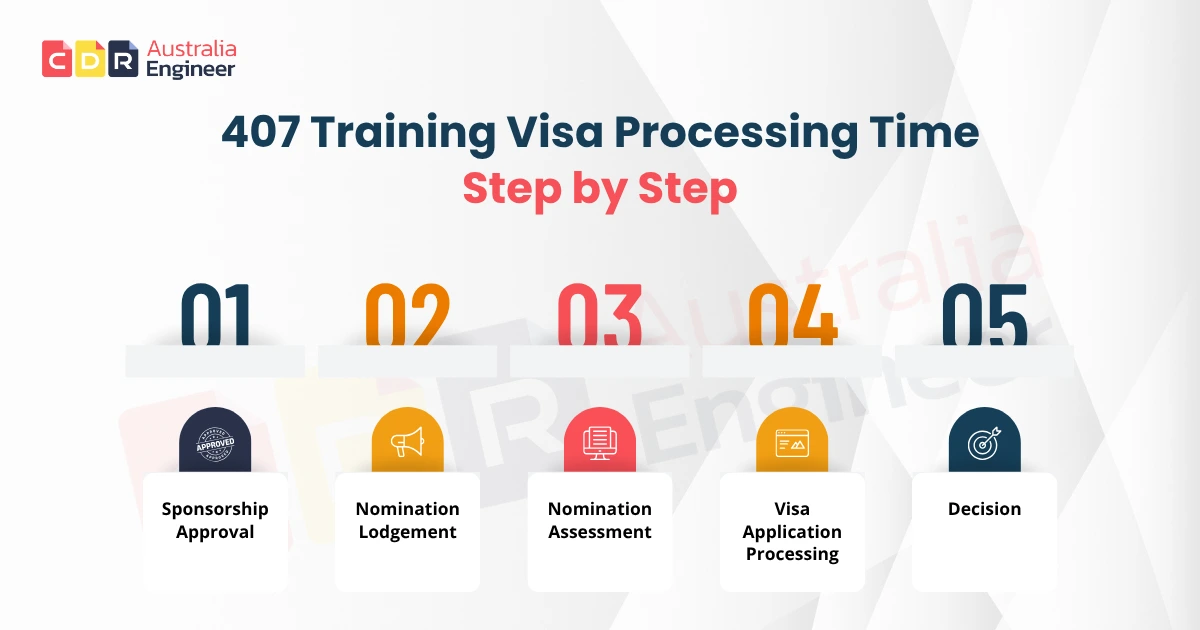
Sponsorship is the first step of all 407 applications. This visa is not applied for directly—it is sponsored by an approved Australian business and is applied for on behalf of the sponsor. Unlike a lot of other visas, you have no right to just apply and wait for the approval of the 407 visa. It all depends on the business being willing to be responsible for your training and officially nominate you.
Key sponsorship requirements:
Specialist training providers and registered migration agents can assist you in locating a sponsor that can create a training program that meets the compliance requirements and is appropriate for your field of work. This can be very time-saving, as they will know what the department is looking for and can help you avoid common pitfalls before you even submit your nomination.
Here’s what you’ll typically need to meet:
If you’re an engineer, the 407 training plan works best when it’s directly related to your field—civil, mechanical, electrical, structural, or otherwise—and builds on your existing knowledge rather than repeating it.
Our expert consultants will assess your profile and recommend the best pathway for your Australian migration goals.
This will need to be addressed if the person does not already have Temporary Activities Sponsor approval prior to the nomination being submitted. Can be a period of weeks to months. This is the basis on which all other matters are based and if the sponsoring business does not have current approval the Department will not consider the nomination — so it is important to have this sorted well before it becomes a formality.
After Sponsorship is approved, your nomination including your training plan is submitted to the department. Here the sponsor formally proposes the structured training programme; it includes your occupation, the goals you wish to achieve and a plan of how the training will be supervised and assessed.
This will generally take a couple of weeks to months, depending on the extent of the 407 training plan. A case officer checks the nomination against the criteria for approval, taking into account whether the training is authentic, occupation-specific, and not essentially disguised work. This stage goes more smoothly the more detail and organization the plan has
The processing time is subject to the volume of applications and the extent of documentation provided and ranges from a few weeks to several months. After your nomination is approved, you can submit your visa application, with all the supporting documents listed on the checklist (health checks, police clearances, insurance, and more).
The visa is issued if all is well. There are many ways that applications get stuck or turned down at this point, but the most common is a training plan that is vague or generic. A strong sponsor can’t make up for a poor plan, one where there are no specific, measurable training outcomes—this is where all that planning comes into play.
This visa does not have a specific list of occupations like the other visas, such as 189 or 190, which are based on the Medium and Long-term Strategic Skills List. The rules for occupation eligibility are set out in the Migration (LIN 19/050: Specification of Occupations – Subclass 407 Visa) Instrument 2019.
The engineering disciplines that usually have structured training programs are:
Policy may change, so compare your training scope and occupation with current requirements before you submit your application
An organized group of documents can be the difference between a speedy, streamlined approval and back-and-forth with the Department. Usually, the following will be required:
For the Sponsor/Nomination Stage:
For the Visa Application Phase:
Categorize the items and cross-check them against your sponsor’s nomination—this will save a lot of time at the point of lodging.
The 407 Training Visa offers a clear pathway to gaining valuable work experience in Australia, but it’s essential to have a solid training program and a reliable sponsor to make it happen. Many applications face delays or rejections simply because they were submitted too hastily or lacked specific details. If you’re considering this visa alongside your Competency Demonstration Report (CDR), it’s wise to explore both options early on. Combining these efforts can help you avoid unnecessary delays and streamline your process with the Department of Home Affairs.
It’s a temporary Australian visa that facilitates structured, workplace-based occupational training for up to two years with an approved sponsor.
Anyone nominated by an approved sponsor for genuine, organized training in a given occupation, provided they meet health, character, and financial requirements.
Up to two years, based on the approved duration of the 407 training plan.
Yes—civil, mechanical, electrical, structural engineering, and other engineering fields generally qualify when the training program is genuine and occupation-specific.
Yes. The training plan is the key document assessed during the nomination process and must be approved.
Start with a free consultation. We assess your profile at no cost and guide you every step of the way.

Scan to Connect With Our Experts ⤴︎